UK Horse Racing Faces Sponsorship Decline After Remote Gaming Duty Rise
Rosa Lang · Oct 9, 2026

UK Horse Racing Faces Sponsorship Decline After Remote Gaming Duty Rise
Data from the first nine months of 2026 shows bookmaker sponsorship of British horse races dropped 17 percent compared with the same period in 2025, and this shift followed the UK government increase in Remote Gaming Duty from 21 percent to 40 percent that took effect on April 1, 2026. Observers note the timing aligns directly with the tax change, and operators adjusted their spending patterns once the higher rate applied to remote betting activity. Prize money attached to those sponsored races fell 2.5 percent overall, which translates to a 5.5 percent decline once inflation is factored in, according to sponsorship data analysis for January–September 2026 vs. prior year.
Impact on Major Operators and Race Categories
Bet365, Betfred, and Flutter Entertainment each reduced their sponsorship activity by more than 15 percent during the nine-month window, while lower-value races and all-weather meetings experienced the steepest reductions in support. Some smaller operators increased their involvement in selected fixtures, and this partial offset helped limit the overall drop to 17 percent rather than a steeper fall. The pattern shows larger firms responded more sharply to the duty increase, whereas niche players maintained limited activity in areas where costs remained manageable.
Figures reveal that sponsorship packages tied to high-profile flat and jumps meetings held steadier than those attached to midweek all-weather cards or lower-grade events, and this distinction highlights how operators prioritized visibility on bigger stages while trimming elsewhere. Industry records indicate the duty adjustment raised the cost base for remote betting operations, which in turn influenced decisions on marketing and sponsorship budgets across the sector.
Timeline and Market Response Through October 2026
The duty increase became effective in April, and data through September captures the immediate reaction period while the market adjusted to the new rate. By October 2026 analysts continue to track whether the decline stabilizes or continues into the final quarter, yet early signs point to sustained caution among the largest operators. Prize money reductions followed the sponsorship cuts because many race programs tie funding directly to bookmaker contributions, and this linkage means lower support flows through to reduced purses for participants.
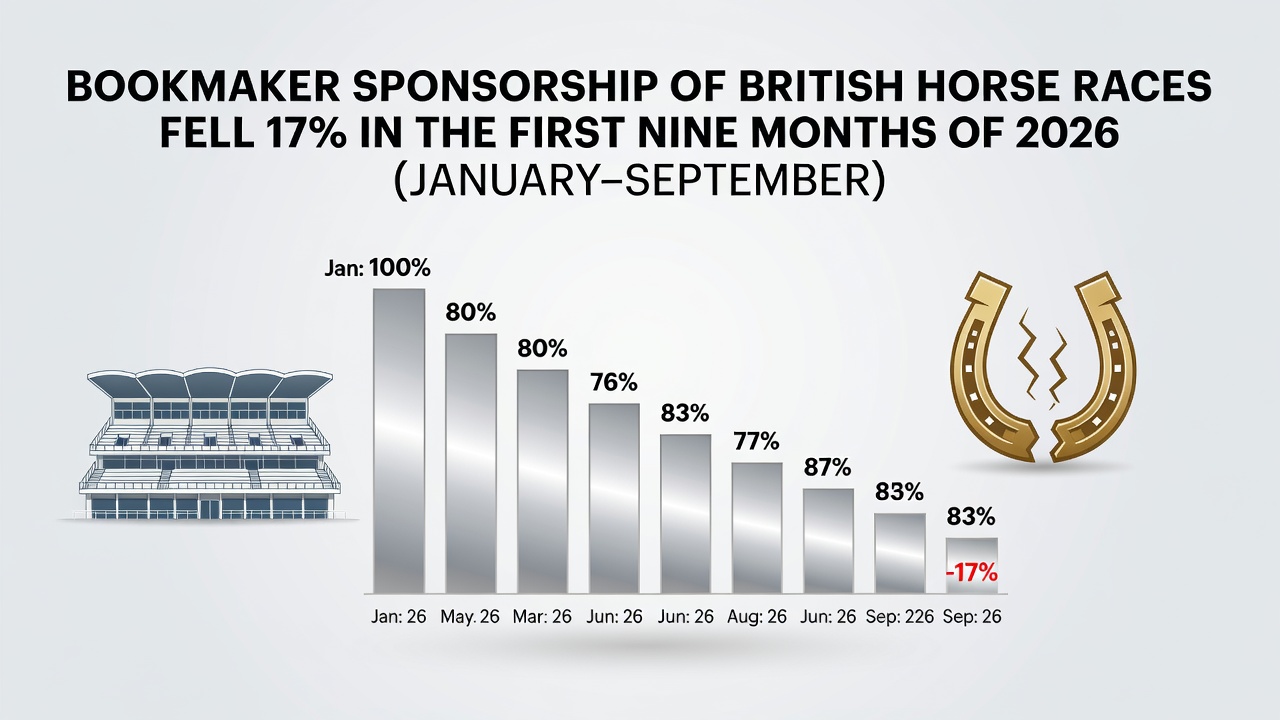
Those who monitor the sector observe that all-weather fixtures suffered most because they often rely on sponsorship to supplement smaller gate receipts, and the withdrawal of support from major firms left gaps that smaller operators could not fully fill. Data reviewed internally by Racing Post confirms the 17 percent headline decline, while separate calculations show the real-terms prize money impact reached 5.5 percent after inflation adjustments for the same period.
Broader Effects on Race Planning and Funding
Racecourses responded by reviewing fixture lists and exploring alternative funding sources, although the immediate nine-month data reflects the period before any new arrangements could take full effect. The concentration of reductions among Bet365, Betfred, and Flutter Entertainment accounts for the bulk of the 17 percent drop, and this concentration means the market remains sensitive to decisions made by a handful of large remote betting groups. Smaller operators that stepped in provided relief in specific regions or for particular race types, yet their scale proved insufficient to reverse the overall trend.
Evidence from the period shows lower-value races lost sponsorship at a faster rate than graded events, and this disparity affected the distribution of prize money across the calendar. Organizers of all-weather meetings reported the sharpest shortfalls, while some turf fixtures maintained closer to previous levels because they attracted continued backing from the remaining active sponsors. The duty change therefore produced uneven outcomes rather than a uniform reduction across every race type.
Conclusion
The nine-month figures establish a clear connection between the April 2026 Remote Gaming Duty increase and reduced bookmaker sponsorship activity, with the 17 percent decline accompanied by a 2.5 percent drop in nominal prize money and a 5.5 percent real-terms reduction. Major operators scaled back commitments while some smaller firms provided partial mitigation, and the effects concentrated on lower-value and all-weather races. As October 2026 progresses, the sector continues to operate under the higher duty rate, and further data will show whether sponsorship levels stabilize or adjust again in response to ongoing cost pressures.