How Seasonal Loyalty Tiers Reshape Thresholds for In-Play Wagers on Handheld Platforms
Paul Flores · Sep 25, 2026

How Seasonal Loyalty Tiers Reshape Thresholds for In-Play Wagers on Handheld Platforms
Seasonal loyalty tiers operate as structured programs within mobile betting platforms where user activity levels determine access to adjusted wager parameters during live events and the programs shift criteria every few months to align with calendar cycles such as summer sports calendars or winter tournament peaks.
Operators adjust minimum bet sizes and qualification volumes at the start of each new season while handheld users encounter these changes through app notifications that update tier thresholds automatically based on accumulated play data from the previous period.
Mechanics of Tier Adjustments on Portable Devices
Handheld platforms track real-time engagement metrics including session duration and wager frequency then recalibrate entry requirements for each loyalty level when seasons change so that summer tiers might emphasize higher volumes for outdoor event wagers whereas winter programs focus on indoor table game activity and the system applies these rules instantly across user accounts without manual intervention.
Data from industry reports indicate that threshold modifications often involve raising or lowering the required stake amounts for in-play features such as live odds adjustments during athletic matches and card game sessions and these alterations appear in app dashboards as users log in during the transition weeks.
Impact on In-Play Wager Parameters
Seasonal shifts directly influence the minimum amounts users must commit to place live bets on handheld screens because platforms raise qualification bars during high-traffic periods to manage volume while lowering them in slower months to encourage continued participation and observers note that these recalibrations occur through backend algorithms that respond to aggregate user patterns across regions.
One documented case involved a platform that introduced autumn-specific tiers in September 2026 where the bronze level threshold for instant event wagers dropped by fifteen percent compared to the prior summer structure allowing more users to access enhanced live multipliers during overlapping football and basketball windows.
Research from the American Gaming Association shows that mobile-first operators report measurable differences in wager distribution after seasonal updates take effect and these patterns emerge because the tiers integrate location-aware triggers that activate when users enter specific geographic zones during events.
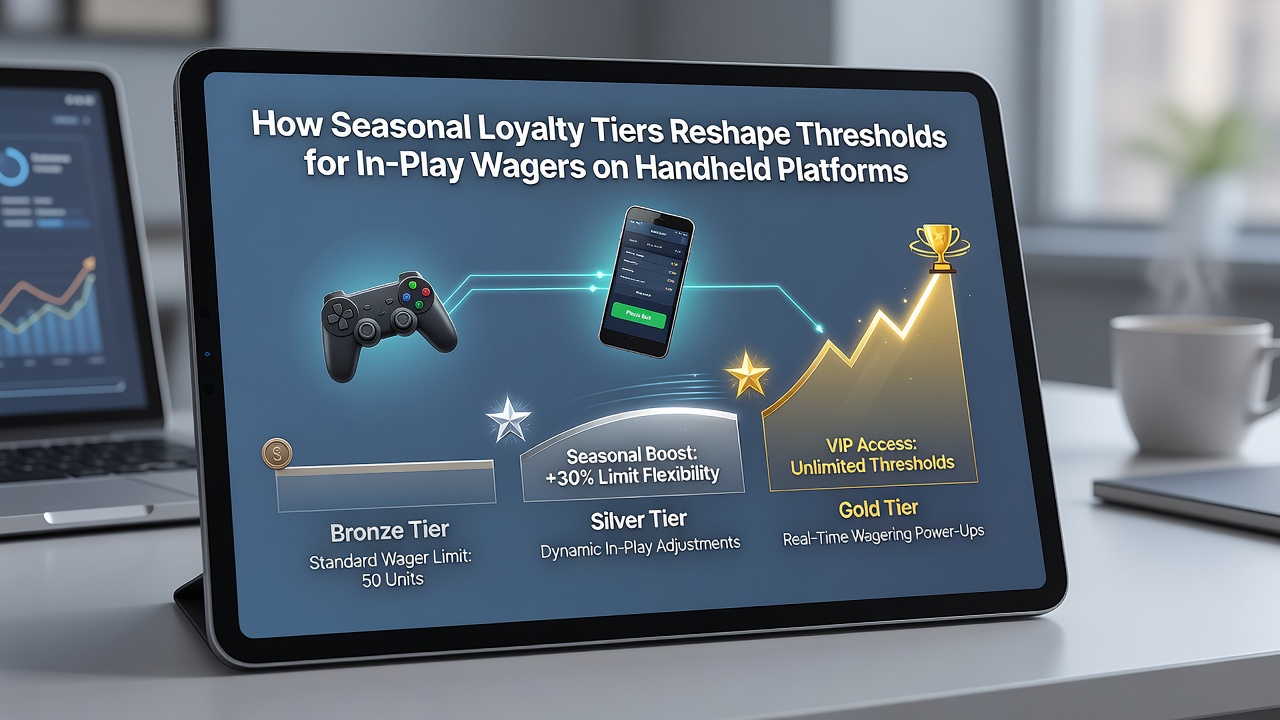
Regional Variations and Platform Implementation
European operators following guidelines from the Malta Gaming Authority implement seasonal tiers with distinct rules for in-play thresholds compared to North American counterparts where state-level regulations in New Jersey shape how apps modify live bet minimums and the differences arise because handheld platforms must comply with local licensing that dictates transparency in how thresholds evolve throughout the year.
Users on portable devices experience these variations through personalized tier dashboards that display upcoming adjustments weeks in advance and the notifications often coincide with major event calendars so that thresholds for basketball in-play wagers might tighten in early fall while remaining stable for other categories.
Studies conducted by academic researchers at institutions tracking digital gambling behaviors reveal that handheld users adapt their session strategies when seasonal tiers activate because the new parameters alter the risk-reward balance for instantaneous decisions during live card hands and athletic predictions.
Data Patterns Observed Across Seasons
Figures compiled by the European Gaming and Betting Association demonstrate consistent shifts in average wager sizes after loyalty tier updates and the data covers multiple handheld platforms operating across several markets where seasonal programs have run for consecutive years.
Platforms apply these changes uniformly across user bases yet individual accounts reflect personalized recalibrations based on prior activity so that high-volume players reach adjusted thresholds faster than casual participants during the same seasonal window.
Conclusion
Seasonal loyalty tiers continue to modify how handheld platforms set parameters for in-play wagers by linking user progression to calendar-based criteria and the resulting threshold adjustments appear consistently across documented implementations in multiple jurisdictions. Operators maintain these systems through automated processes that respond to engagement data while regulatory frameworks in various regions require clear communication of changes to account holders. The ongoing evolution of these programs reflects broader patterns in mobile betting technology where seasonal cycles drive ongoing refinements to live wager structures.