How Notification Rhythms in Location-Aware Apps Recalibrate Spending Thresholds During Overlapping Card Hands and Athletic Event Windows
Rosa Lang · Sep 11, 2026
How Notification Rhythms in Location-Aware Apps Recalibrate Spending Thresholds During Overlapping Card Hands and Athletic Event Windows
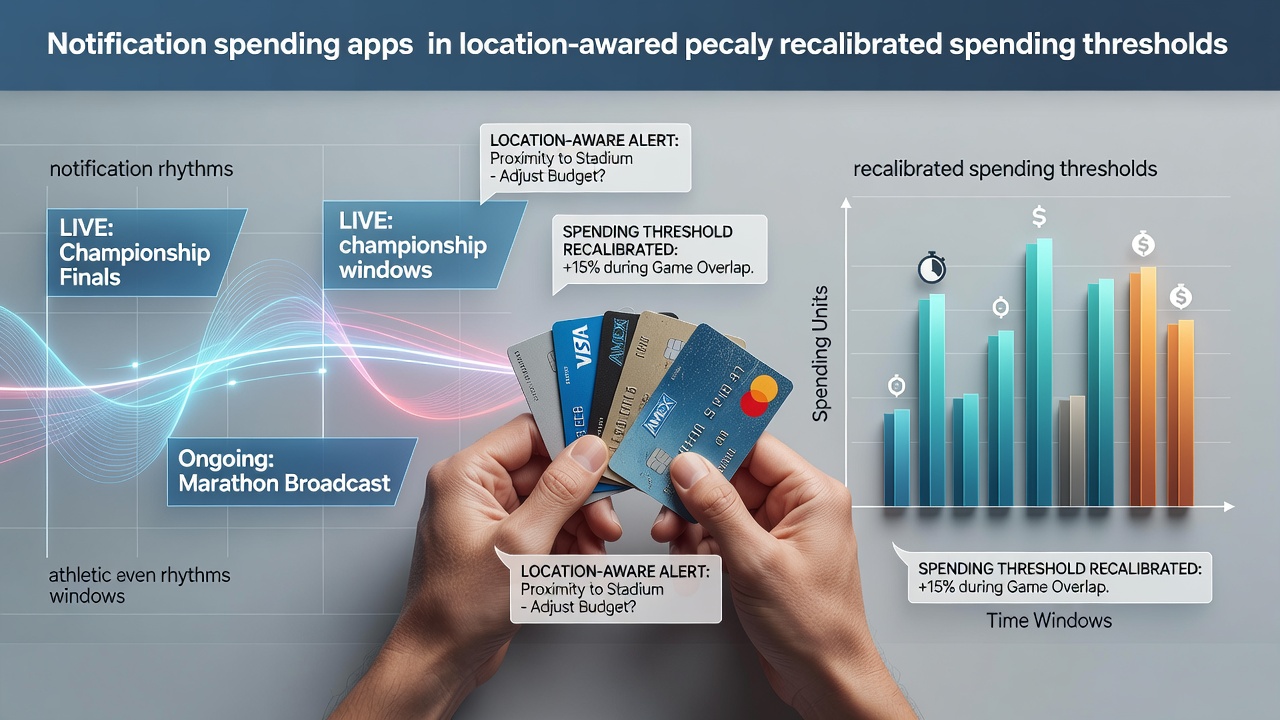
Apps equipped with GPS tracking and timed alerts adjust user spending limits when card sessions overlap with live sports windows, and these systems rely on precise notification sequences to trigger the changes. Developers integrate location data with event schedules so that alerts arrive at moments when users transition between poker hands and athletic wagers, and the recalibration occurs through predefined algorithms that respond to detected proximity and timing overlaps.
Core Mechanics of Location Detection and Alert Timing
Systems pull real-time coordinates from mobile devices while cross-referencing scheduled athletic events, which allows the software to recognize when a user sits at a digital card table during a football or basketball window. Notification rhythms follow set intervals that escalate in frequency as the overlap window tightens, and the sequence begins with a subtle reminder before shifting to more direct prompts once the app registers sustained activity in both categories. Data from industry reports shows that these sequences reduce average session spend by measurable percentages when users remain within the same geographic zone for extended periods.
Engineers design the rhythm patterns around user behavior logs collected over multiple sessions, and the patterns incorporate pauses that align with natural breaks between card hands. When an athletic event enters its final quarter or period, the app accelerates the notification cadence to prompt threshold reviews before the next hand begins, and this layered approach keeps the adjustments synchronized with both activities rather than interrupting one to favor the other.
Spending Threshold Adjustments in Overlapping Scenarios
Threshold recalibration activates when the app detects concurrent engagement, lowering daily or per-session caps by incremental steps that correspond to the combined duration of the card hands and the athletic window. The process uses modular limits that can tighten or loosen based on the intensity of overlap, such as when a user places a wager on a live match while still holding active cards in a poker round. Research indicates that these modular adjustments maintain consistency across different time zones because the system anchors changes to the user's local coordinates rather than server time.
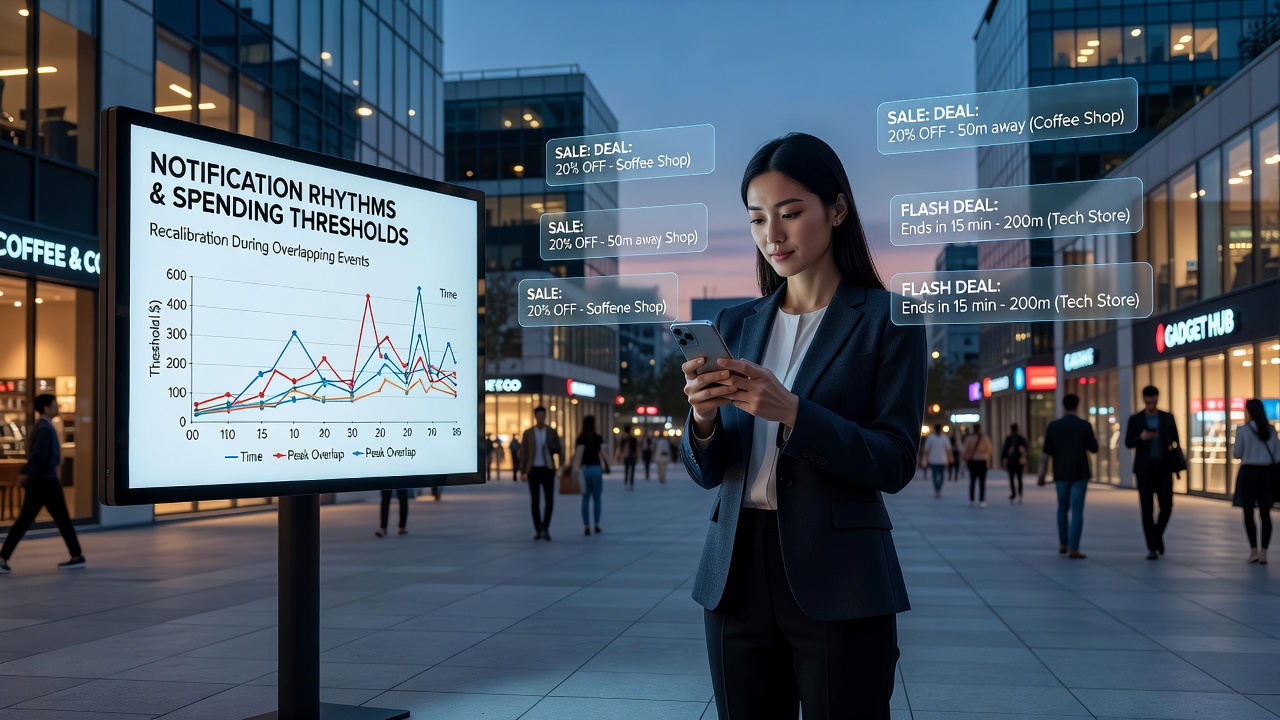
One documented case involved users in urban entertainment districts where multiple venues host simultaneous card tournaments and sports screenings, and the apps applied tighter thresholds once location sensors confirmed presence at those sites. The adjustments rolled out through a series of three timed notifications spaced five to seven minutes apart, which gave users opportunity to review and confirm before the next card hand or event segment advanced. Figures from platform analytics reveal that such sequenced interventions correlate with fewer instances of exceeding preset budgets during peak overlap hours.
Integration with Broader Responsible Play Frameworks
Regulatory frameworks in several jurisdictions require apps to log these recalibrations and make the records available for audits, and the logs capture both the notification timestamps and the resulting threshold values. According to information published by the National Council on Problem Gambling, location-triggered adjustments form part of larger harm-minimization toolkits that operators deploy across North American markets. The same systems often link to external resources such as self-exclusion lists, so that a user who has opted out receives reinforced alerts when overlap conditions are detected.
Academic studies conducted at institutions including the University of Sydney have examined how notification density affects decision latency during multi-activity sessions, and the findings show that moderate rhythm spacing produces the most consistent adherence to adjusted thresholds. Operators update the underlying models periodically to account for new event formats, and the September 2026 rollout of enhanced geofencing protocols is expected to refine detection accuracy for indoor venues where GPS signals previously fluctuated.
Technical Implementation Across Platforms
Developers employ a combination of geofencing polygons and event API feeds to mark athletic windows, while card-hand tracking relies on in-app timers that reset with each new deal. The notification engine then merges these two data streams into a unified timeline, and the merged output determines whether a threshold shift is warranted. Short alerts appear first to establish awareness, followed by longer explanatory messages if the overlap persists beyond a set duration, and this progression avoids overwhelming users during rapid card action.
Cross-platform compatibility ensures that iOS and Android versions apply identical rhythm structures, although minor variations occur in how background location permissions are handled. Platform telemetry collected in 2025 demonstrated that unified timing reduced threshold override requests by double-digit margins compared with earlier non-rhythmic versions of the same apps.
Conclusion
Notification rhythms in location-aware apps function as dynamic controls that respond to the intersection of card play and athletic events by recalibrating spending thresholds at calculated intervals. The approach draws on location data, event schedules, and behavioral patterns to deliver adjustments that remain consistent across overlapping windows. Continued refinement of these systems, including planned updates for September 2026, reflects ongoing efforts by operators and researchers to align technical capabilities with regulatory expectations in multiple regions.