How App-Based Rewards Systems Support Safer Play Habits Across Real-Time Table Games and Event Wagers
Paul Flores · Aug 21, 2026
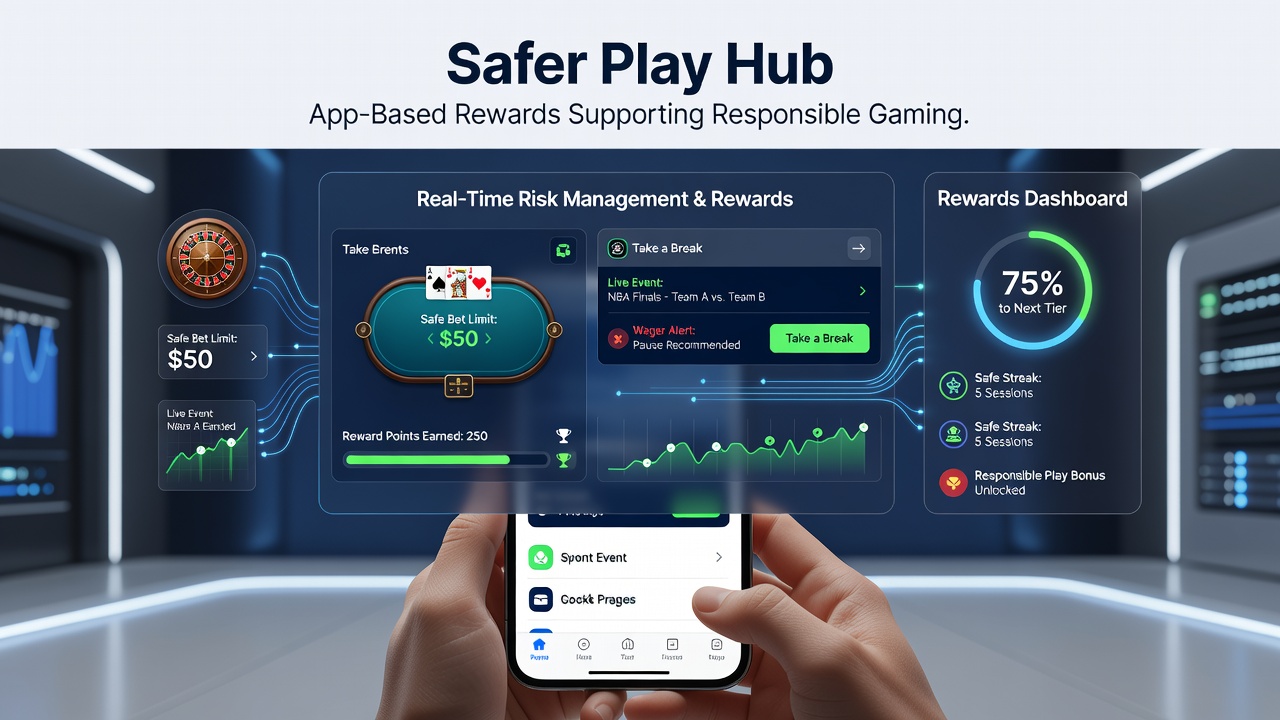
How App-Based Rewards Systems Support Safer Play Habits Across Real-Time Table Games and Event Wagers
App-based rewards systems have expanded in online gaming platforms since the mid-2020s, integrating features that link player incentives directly to responsible behavior in real-time table games and event wagers. These systems operate through mobile applications where users accumulate points or bonuses for meeting predefined criteria, such as maintaining deposit thresholds or completing play sessions within set timeframes, and data from multiple markets shows these mechanisms correlate with higher rates of self-imposed limits.
Core Mechanics of Rewards Integration
Developers design these platforms so that rewards activate only after players configure safety parameters, including session timers, loss caps, and reality-check prompts that interrupt extended play in live dealer environments. In practice, a user who sets a daily wager ceiling receives tiered loyalty credits faster than those without limits, creating a structural incentive that aligns continued engagement with moderated activity. Researchers tracking user patterns across European and North American operators have documented that such conditional rewards reduce average session lengths by measurable margins when compared against non-rewarded accounts.
Real-time table games like blackjack and roulette streams incorporate these tools through in-app overlays that display accumulated points alongside current spend metrics, allowing players to adjust bets before exceeding thresholds. Event wagers on live sports or entertainment outcomes follow similar logic, with bonus multipliers applied to balanced portfolios rather than high-volume single bets, and platform analytics reveal that participants using these features place fewer impulsive wagers during peak event windows.
Implementation in Live Table Game Environments
Live dealer applications embed rewards tracking into the interface so that every hand or spin contributes to a visible progress bar tied to responsible milestones. Players who enable automated break reminders unlock additional free spins or cashback percentages, while those who ignore prompts experience delayed reward processing. Studies conducted by academic groups in Australia and Canada indicate that this linkage encourages voluntary pauses, particularly during extended blackjack or baccarat sessions where decision fatigue can influence larger stakes.
Operators report that reward eligibility in table game modules now requires confirmation of prior limit adherence, a change rolled out progressively through 2025 and into August 2026. This approach ensures that high-frequency participants in live streams receive benefits only when their activity remains within documented safe boundaries, reducing the incidence of rapid deposit escalations that previously occurred in unregulated play cycles.
Application to Event-Based Wagers

Event wagers present unique timing pressures because outcomes unfold in real time, yet rewards systems counter this by awarding points for diversified selections rather than concentrated risk. A participant betting across multiple matches or rounds earns loyalty status when they maintain a predefined spread, and the same system flags accounts that exceed velocity thresholds with temporary reward holds. Figures from industry reports compiled by the National Council on Problem Gambling show that users engaging these diversified reward tracks demonstrate lower overall exposure during major tournaments and live events.
Platforms further tie event-specific bonuses to pre-event deposit reviews, prompting confirmation of weekly budgets before unlocking enhanced odds or cashback on live wagers. This process repeats across successive events, building cumulative data that lets the application suggest adjusted limits based on historical patterns without restricting user choice.
Evidence from Broader Research Initiatives
Multiple longitudinal analyses, including work published through Gambling Research Australia, confirm that conditional rewards correlate with increased uptake of voluntary exclusion periods and deposit reductions in both table game and sports wagering segments. The data spans operators serving different regulatory jurisdictions, revealing consistent patterns where players who interact with limit-linked incentives report higher satisfaction with their overall activity control. In August 2026, several platforms introduced enhanced analytics dashboards that visualize these correlations for individual users, displaying weekly comparisons of rewarded versus non-rewarded behavior.
These systems also incorporate third-party verification options, allowing external tools to monitor reward eligibility alongside spend tracking. This integration supports cross-platform consistency for users who switch between table game streams and event betting modules while maintaining the same safety parameters.
Conclusion
App-based rewards systems continue to evolve as structured tools that embed safer play requirements into the incentive structure for real-time table games and event wagers. By conditioning benefits on limit adherence and diversified activity, these platforms generate measurable shifts in user behavior across documented markets. Ongoing data collection through 2026 and beyond will further clarify how such mechanisms scale across additional game types and regulatory frameworks.