How Advisory Frameworks Guide Expenditure Awareness During Simultaneous Digital Table Rounds and Live Athletic Forecasts on Portable Devices
Paul Flores · Oct 23, 2026

How Advisory Frameworks Guide Expenditure Awareness During Simultaneous Digital Table Rounds and Live Athletic Forecasts on Portable Devices
Advisory frameworks in digital gaming environments consist of structured tools and guidelines that operators embed into mobile applications to help users monitor and manage spending across multiple activities at once. These systems combine deposit limits, session timers, and real-time alerts that activate when users engage in digital table rounds and live athletic forecasts simultaneously on the same handheld device. Data from regulatory bodies indicates that such frameworks emerged as standard features in many jurisdictions by the mid-2020s, driven by requirements for operators to provide expenditure tracking mechanisms during overlapping sessions.
Core Components of Advisory Frameworks in Mobile Settings
Deposit limit tools allow users to set daily, weekly, or monthly caps that apply across both table game rounds and in-play sports wagers, with automatic pauses triggered once thresholds approach. Session timers track cumulative time spent on card sessions and event forecasts, sending notifications that detail total expenditure to date rather than isolated activity breakdowns. Reality checks, delivered at intervals chosen by the user, display aggregated spend figures from concurrent digital table play and live athletic predictions, encouraging adjustments before limits are reached. Observers note that these components function together because portable devices support seamless switching between applications and browser tabs, creating situations where spending awareness depends on unified tracking rather than separate game interfaces.
Application During Overlapping Digital Table Rounds and Athletic Forecasts
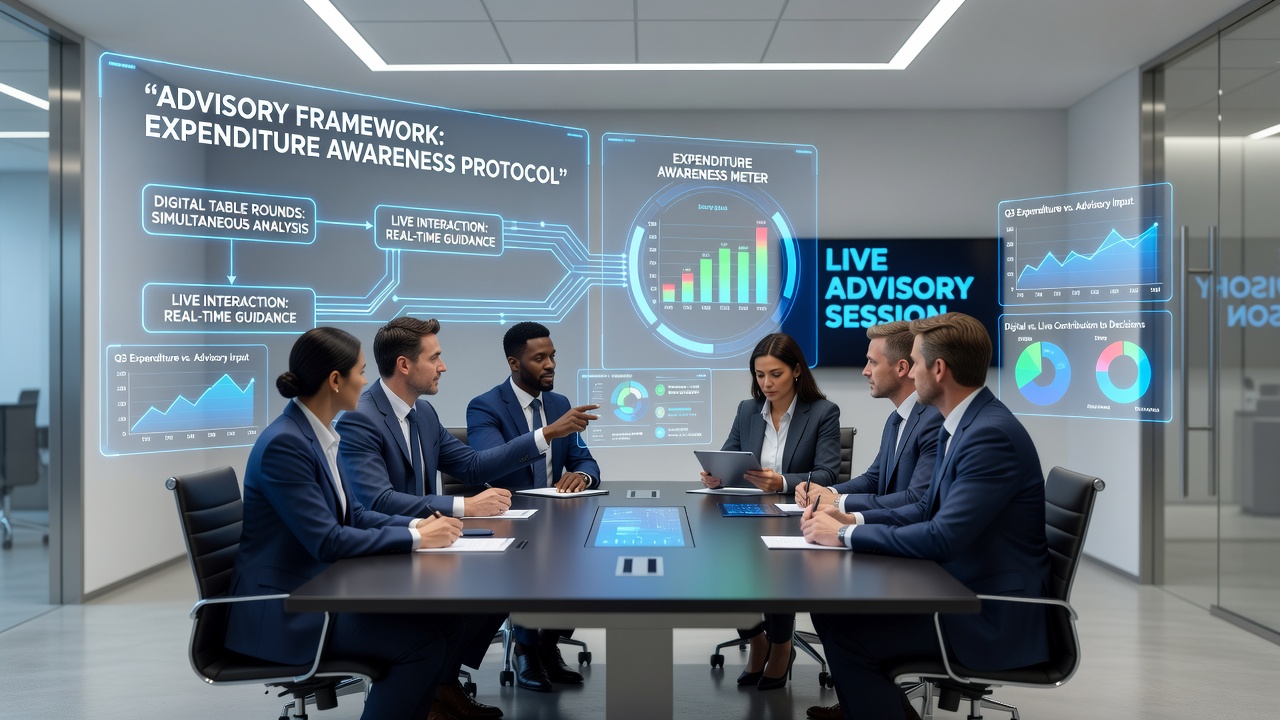
When users participate in digital table rounds while monitoring live athletic forecasts, advisory frameworks recalibrate alerts based on combined activity patterns rather than individual games. For instance, a user placing wagers on a card hand may receive a consolidated notification that includes stakes from an ongoing sports event window, highlighting the total outlay within a single message. Research indicates that integrated alerts reduce the likelihood of fragmented spending awareness because they present cumulative data on one screen. In October 2026, several platform updates introduced cross-activity dashboards that pull expenditure records from both table interfaces and sports forecasting modules, allowing users to view running totals without manual calculation. Those who study mobile gaming patterns report that this unified presentation helps maintain awareness when rapid decisions occur across simultaneous sessions.
Regulatory and Industry Influences on Framework Design
Government agencies in multiple regions have shaped advisory framework standards through licensing conditions that require expenditure visibility tools. The Australian Communications and Media Authority has documented how operators must implement spend trackers that cover concurrent activities on portable devices, with compliance verified through periodic audits. Similarly, data released by the Nevada Gaming Control Board shows increased adoption of unified limit systems following regulatory reviews of multi-activity betting on mobile platforms. Industry organizations such as the European Gaming and Betting Association have published guidelines that recommend linking table game and sports wager tracking into single advisory outputs, citing evidence that separate systems leave gaps during overlapping use. These influences converge in the design of current mobile applications, where frameworks prioritize aggregated reporting to address the specific demands of simultaneous digital table rounds and live athletic forecasts.
Evidence from Platform Implementation and User Data
Platform analytics reveal that users who activate advisory tools during concurrent sessions maintain lower variance in daily expenditure compared with those who rely on manual tracking. A study conducted by researchers at the University of Sydney examined mobile betting logs and found that integrated alerts correlated with more frequent adjustments to wager sizes when table rounds and athletic forecasts ran in parallel. Figures released by the Responsible Gambling Council in Canada indicate that operators incorporating cross-activity notifications observed measurable increases in self-initiated limit changes among users engaged in multiple formats. These patterns hold across different device types because advisory frameworks operate at the account level rather than within individual game clients, ensuring consistent data flow regardless of whether activities occur in dedicated apps or browser-based environments.
Technical Integration and Real-Time Adjustments
Modern advisory frameworks connect to backend systems that aggregate wager data from table game servers and sports betting engines in real time, then push unified summaries to the user interface. This integration supports features such as dynamic threshold reminders that account for stakes placed on a live athletic forecast while a digital table round remains active. Developers implement these connections through standardized APIs that pull from both activity streams, allowing alerts to reflect the combined financial position rather than isolated figures. Evidence from operator reports suggests that such technical setups became widespread after 2025, coinciding with broader availability of 5G networks that facilitated uninterrupted multi-session participation on portable devices. The frameworks therefore address expenditure awareness by synchronizing data streams that would otherwise remain separate.
Conclusion
Advisory frameworks continue to evolve as operators refine methods for delivering consolidated expenditure information during simultaneous digital table rounds and live athletic forecasts on portable devices. Regulatory requirements from diverse jurisdictions, combined with technical advancements in data aggregation, have established unified tracking as a standard element of mobile gaming applications. Available data shows consistent patterns of use across regions where these systems operate, underscoring their role in supporting awareness through aggregated alerts and limit mechanisms.