Betfred Moves Forward With Additional Shop Closures as Tax Pressures Mount
Sage Reed · Nov 20, 2026

Betfred Moves Forward With Additional Shop Closures as Tax Pressures Mount
Betfred has confirmed plans to shut another 73 betting shops across the UK, placing 365 jobs at risk as cumulative increases in gambling taxes continue to affect operations, and this development comes several months after the company closed 132 shops in July 2026 for comparable reasons. The latest round of closures follows rises in machine games duty from 20% to 25% that were introduced through recent UK budgets, and these changes have created ongoing cost pressures for high street operators.
Details of the Latest Closure Round
The company outlined the scale of the reductions in a statement that highlighted how repeated tax adjustments have eroded the viability of many locations, and observers note that each closure involves a mix of staff redundancies along with site wind-downs that take several weeks to complete. Data from the announcement shows the 73 shops represent a targeted response to sustained margin compression, while the 365 positions now under threat add to the earlier job losses recorded in the summer round. Those who track retail betting patterns point out that many of the affected sites sit in smaller towns where footfall has already declined steadily since the previous wave of closures.
Figures released alongside the announcement indicate that the combined effect of duty changes has lifted operating costs by several percentage points across the estate, and industry analysts have tracked how these increases compound when layered on top of existing business rates and staff overheads. The timeline places this second phase of reductions in the final quarter of 2026, roughly four months after the July action that removed 132 outlets from the network.
Financial Ripple Effects on Racing
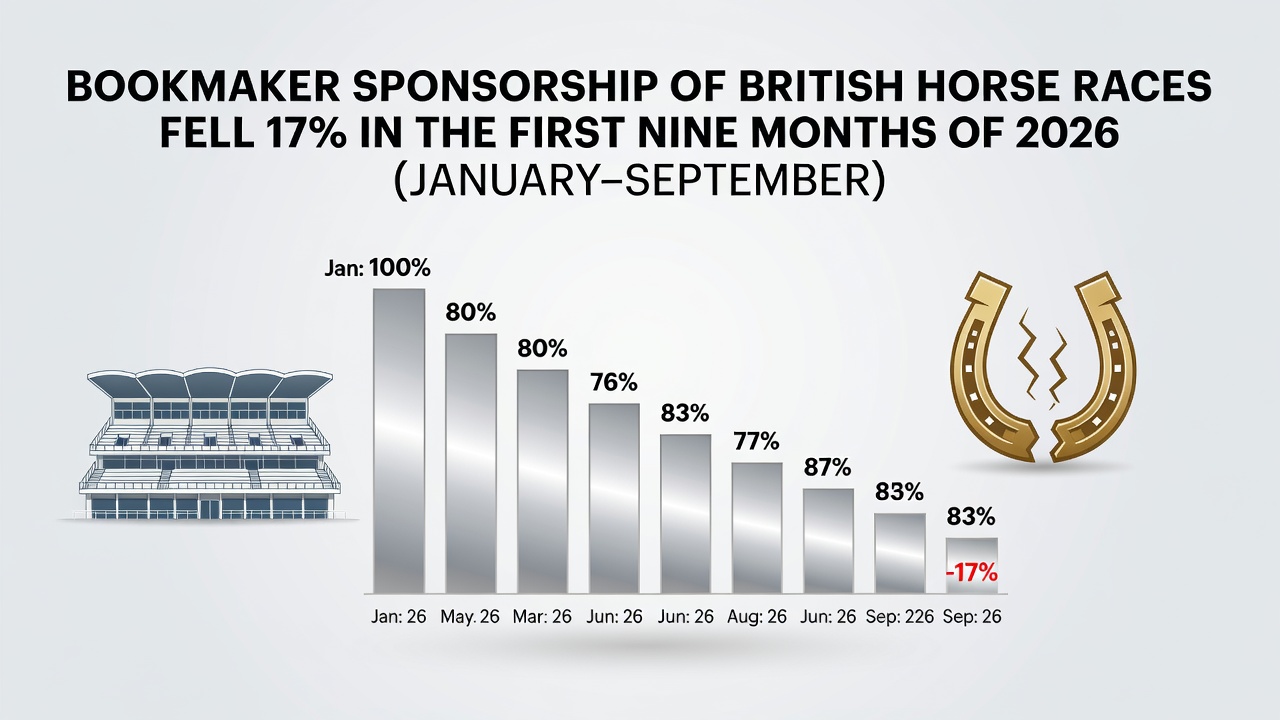
Estimates attached to the closures calculate an annual reduction of £2.3 million in racing income from media rights and levy payments once the shops cease trading, and this figure reflects the loss of contributions that previously flowed through retail terminals into the sport's funding mechanisms. Those who monitor the racing economy explain that media rights deals rely on aggregated betting volumes, so each wave of shop closures trims the overall pool that supports fixture lists and prize money structures. The £2.3 million projection covers both direct levy contributions and indirect effects from reduced media rights valuations that betting operators negotiate collectively.
Industry statements compiled by the Betting and Gaming Council record that more than 600 shops have either closed or are scheduled to close across the sector as a direct result of the same tax adjustments, and these aggregate numbers place Betfred's decisions within a broader pattern affecting multiple operators. The council's tracking shows the total figure incorporates closures from several major chains, each citing the machine games duty increase and related budget measures as primary drivers.
Industry Context and Regulatory Background
Tax adjustments that lifted machine games duty to 25% took effect after successive budget rounds, and operators have adjusted staffing and site numbers in response to the higher rates applied to gaming terminals that generate a substantial share of retail revenue. The Betting and Gaming Council has compiled statements from multiple firms that describe similar cost calculations, and these collective reports illustrate how duty changes interact with fixed costs such as rent and utilities to alter the break-even threshold for individual outlets. Observers note that the duty rise applies uniformly, yet its impact appears most acute in locations where machine play constitutes the majority of turnover.
Betfred's sequence of announcements demonstrates a phased approach to network contraction, with the July 2026 closures serving as the first tranche and the current 73-shop plan forming the second, and this structure allows the company to manage lease terminations and staff consultations on a staggered timetable. People who follow retail betting trends record that earlier closures often concentrate in regions where local economies already show softer consumer spending, creating a feedback loop that further reduces viability for remaining sites.
Conclusion
The combined picture from Betfred's two closure rounds, the £2.3 million projected impact on racing income, and the industry-wide total exceeding 600 shops illustrates how recent tax increases have prompted measurable contraction in the high street betting sector. Data compiled to date tracks these outcomes through operator statements and sector aggregates, while the timeline running from July 2026 into the later months of the year shows the progression of adjustments as operators respond to the duty changes introduced in recent budgets.